Lakewood, Dallas, Dallas County
Garage Door Opener Repair in Lakewood, Dallas, TX
An opener that hums without moving the door, runs its full cycle while the door sits still, or reverses at the same point every time is describing a specific fault, and the three of those have three different causes. We work through them in order in Lakewood, Dallas rather than starting from the assumption that the unit needs replacing.
- Same-day service available
- 10+ years serving Dallas
- Free on-site estimates
- 15% off current repairs
The opener is the smallest force in the system
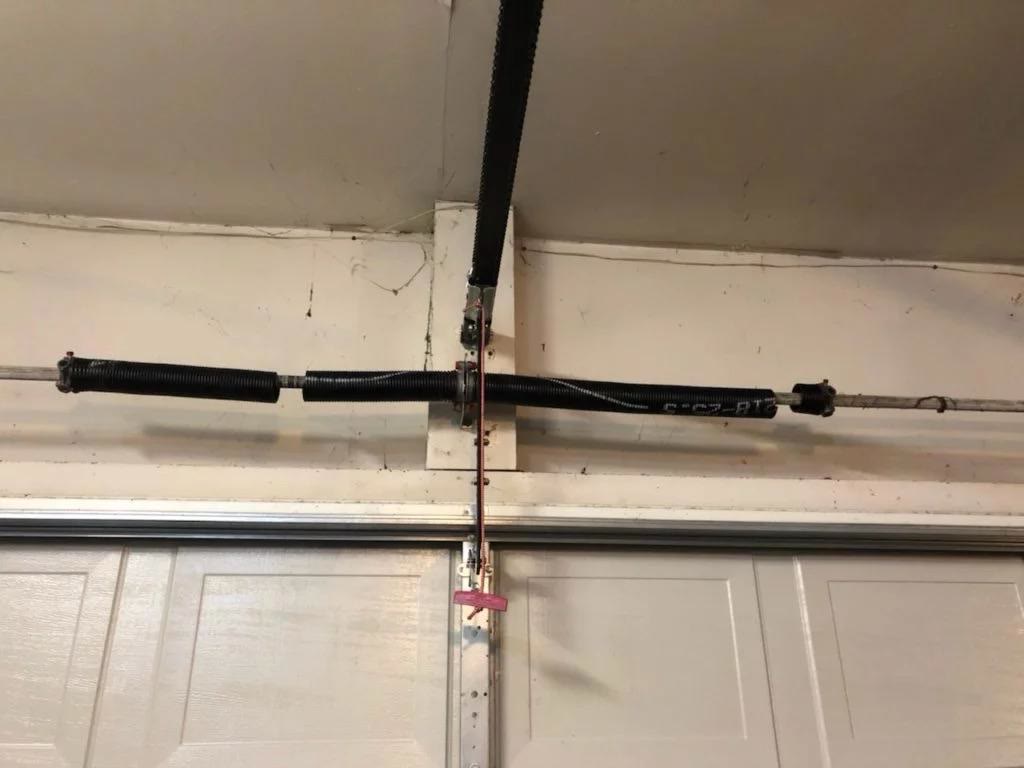
A half or three quarter horsepower opener produces enough force to move a door that the springs have already balanced. It is not a lifting device. When the counterbalance drifts out of range, the opener silently absorbs the difference on every cycle, and the components that fail are the ones in the force path: the plastic drive gear, the trolley, the opener arm, and the top section where the arm attaches. This is why the balance test comes before any opener diagnosis. Replacing an opener on an unbalanced door is a repair with a timer on it.
Reading the fault from the behavior
The motor runs and the door does not move: drive gear, broken chain or belt, or a disconnected trolley. The motor hums and does nothing: usually a failed capacitor or a seized motor. Nothing at all happens from the remote or the wall button: power, logic board, or in some cases the wall control wiring shorted by a staple. The door goes down and immediately reverses: photo eyes, close force, or close limit. The door opens partway and stops: open limit or an obstruction the force setting is detecting. The door closes but the light does not come on and the unit beeps: on newer units this is battery backup status rather than a fault at all.
Travel limits and force settings, and why creeping the force up is the wrong move
Travel limits tell the opener where the floor and the fully open position are. Force settings tell it how much resistance is normal on the way there. When a door starts reversing off the floor, the tempting fix is to increase close force until it stops doing that. That works, and it also removes the protection that stops the door on an obstruction, because the opener can no longer distinguish an obstacle from the resistance it has been told to expect. Correct practice is to find the resistance and remove it, then set the force to the minimum that runs the door reliably, then verify the auto reverse against a solid object on the floor.
Garage Door Opener Repair for Lakewood, Dallas homes
1920s-40s Tudor and Colonial homes on tree-lined lots, almost all with detached alley garages that have shallow headroom and often original single-panel tilt-up doors still in service.
Our route through Lakewood, Dallas takes in 75214.
Lakewood Heights, Wilshire Heights and Country Club Estates account for a steady share of our Lakewood, Dallas work.
Lakewood Country Club is a useful marker: if you are near it, we cover you.
Lakewood is part of Dallas, in Dallas County.
What you are probably seeing
- A sensor LED near the floor is blinking rather than steady.
- The opener is much louder than it used to be, or you hear a rattling chain slapping the rail.
- The wall button works but no remote does, or the reverse.
- The motor runs for its full cycle while the door does not move.
- The unit hums, clicks, or trips the breaker instead of starting.
Lakewood, Dallas service
Call (469) 891-6883 or request a visit.
The visit
How a Lakewood, Dallas call runs
Door first, opener second
The trolley is released and the door lifted by hand to confirm the counterbalance is in range. If the door is heavy or drifts, that is corrected before any conclusion is drawn about the opener, because otherwise the diagnosis is unreliable.
Fault reproduction
We run the unit and watch the failure happen, noting where in travel it occurs, what the motor does, and what the indicator lights and sensor LEDs report. Intermittent faults get exercised rather than guessed at.
Component testing
Depending on the symptom this covers drive gear and chain or belt condition, capacitor, motor, logic board, limit switch positions, force settings, wall control wiring, and photo eye alignment and power.
Repair or replace, with the reasoning
You get the cost of the repair alongside the cost of replacement and the honest case for each, including the age of the unit and what else on it is likely to reach end of life soon.
Set travel, force, and safeties
Open and close limits are set to the door, force is set to the minimum that operates reliably, remotes and keypads are programmed, and both the photo eye reversal and the mechanical contact reversal are tested before we leave.
On the job
Garage Door Opener Repair in the field
Questions
Garage Door Opener Repair in Lakewood, Dallas
Should I repair or replace an opener?
Repair is usually right on units under about fifteen years old with an available part. Replace when the unit has no photo eye reversal at all, when the logic board is discontinued or costs a large share of a new opener, or when the motor itself has failed on an already old unit. We give you both numbers and the reasoning.
The door closes and then immediately opens again. Why?
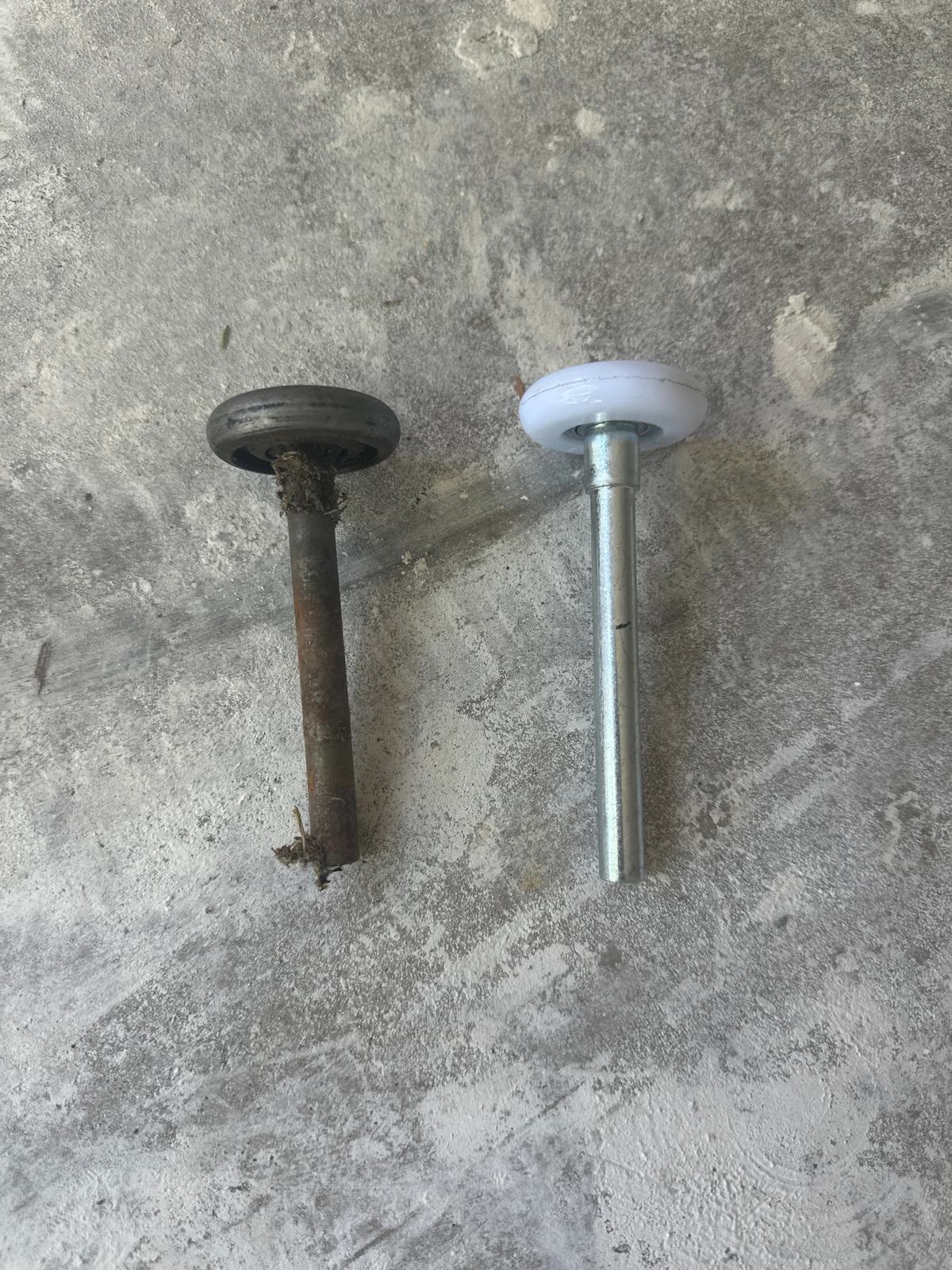
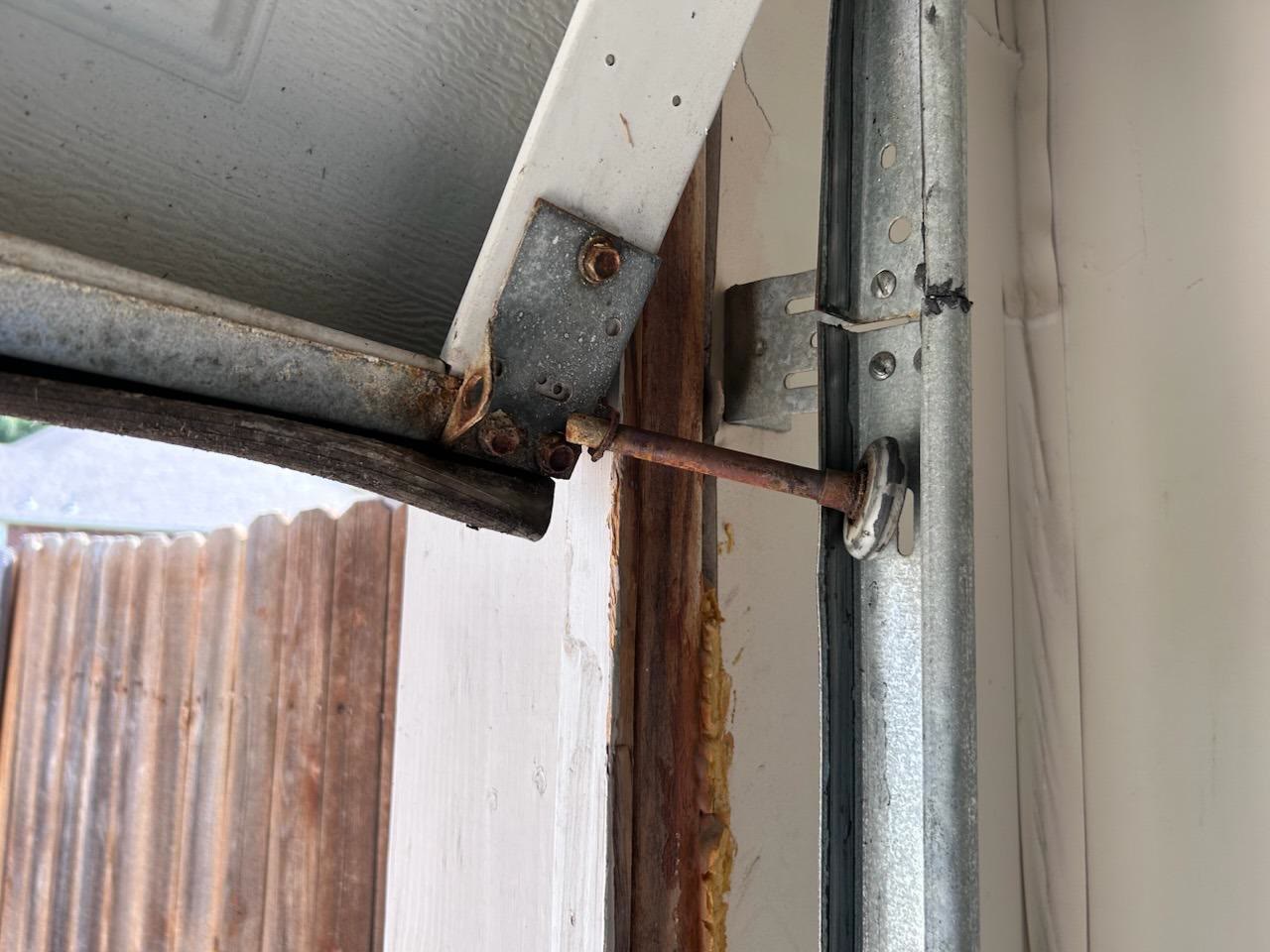
Three usual causes, in order of likelihood: photo eyes out of alignment or obstructed, a close limit set past the floor so the opener keeps pushing after the door has landed, or something adding resistance in the last foot of travel such as a hardened bottom seal or a binding roller. Check the sensor LEDs first, since that costs nothing.
My remote works only from a few feet away. Is the opener failing?
Usually not. Start with a fresh battery. If range is still short, the most common cause is radio interference, and LED bulbs in the opener itself are a frequent and well documented source. Swapping to a bulb rated for garage door openers resolves a surprising share of these. Beyond that, an extended antenna wire hanging free from the motor head restores range on many units.
How long should an opener last?
Ten to fifteen years is a fair expectation for a residential unit in normal use, with the drive gear and capacitor as the parts most likely to need attention before then. The variable that shortens it most is door balance, because an opener that has been fighting tired springs is doing far more work per cycle than the design intends.
Can I install a new opener myself?
It is a genuinely feasible DIY job on a door with a healthy counterbalance, and the instructions are decent. Two cautions. Confirm the door balances by hand before you start, because a new opener on an unbalanced door will fail early. And do not skip the photo eye installation or mount the sensors higher than six inches off the floor to make the wiring easier.
Need this handled today?
Garage Door Opener Repair in Lakewood, Dallas and across Dallas County.